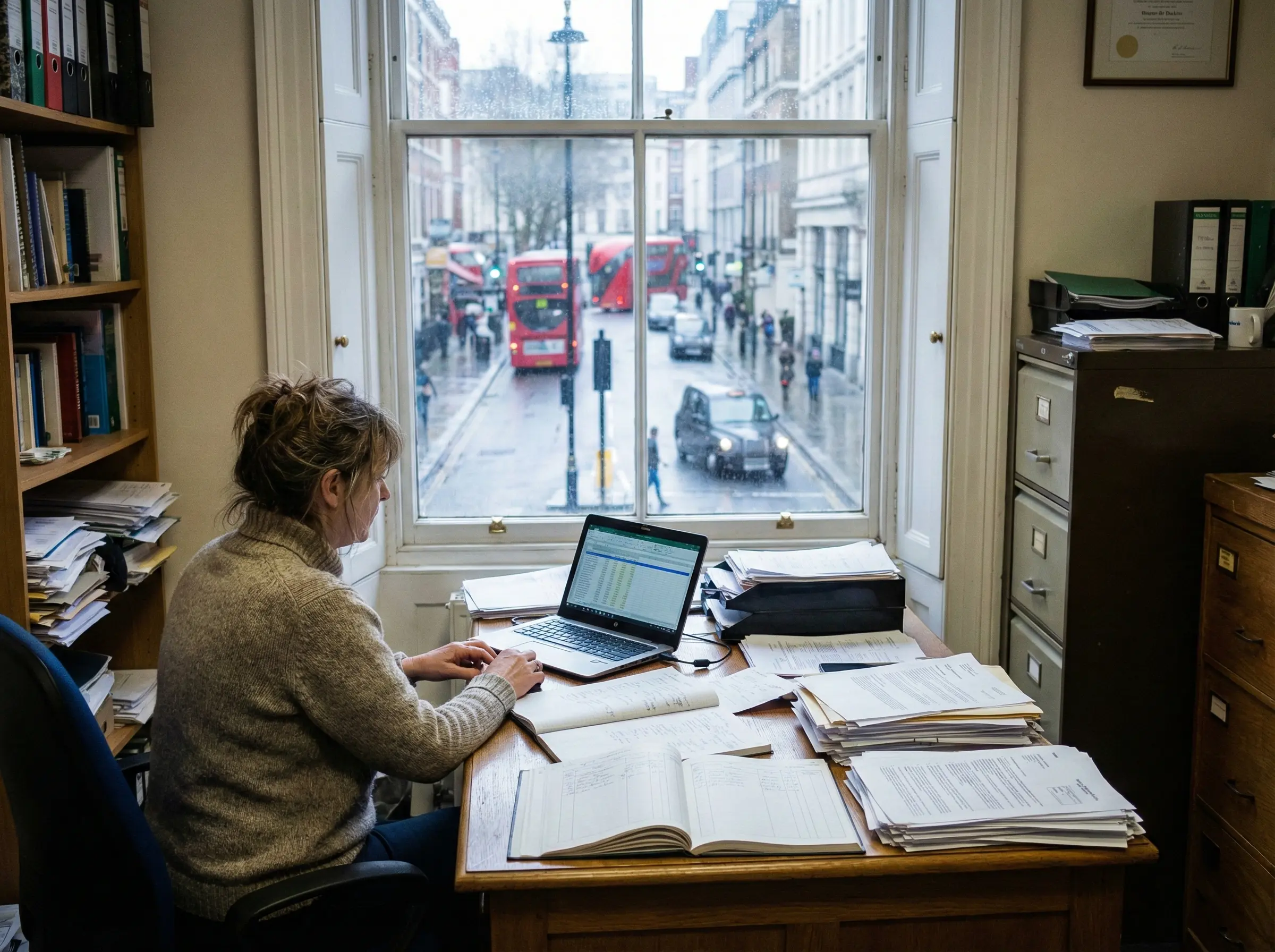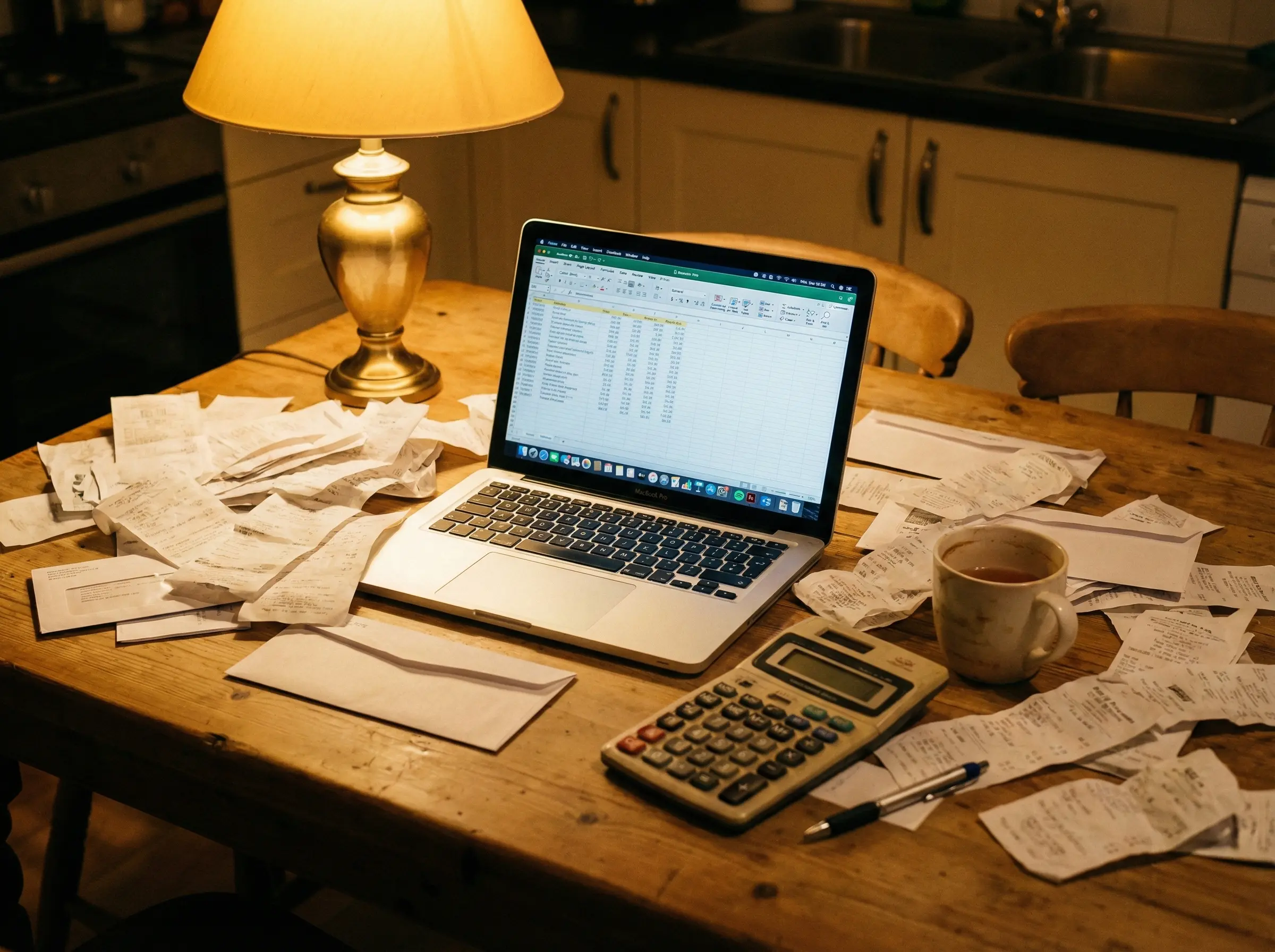
Every January, roughly 5.7 million people file their self-assessment return on the last day. A significant number of them discover, at 11pm on the 31st, that they have lost their Government Gateway password.
The £100 penalty for filing one day late is automatic. By six months late, the daily fines have kicked in. By twelve months, you can owe over £1,600 in penalties alone - before any tax or interest.
Here is the full picture.
The key deadlines for 2025/26 tax year
| Deadline | What it's for |
|---|---|
| 5 October 2026 | Register for self-assessment (if new) |
| 31 October 2026 | Paper tax return deadline |
| 31 January 2027 | Online tax return deadline |
| 31 January 2027 | Pay tax owed for 2025/26 |
| 31 January 2027 | First payment on account for 2026/27 |
| 31 July 2027 | Second payment on account for 2026/27 |
The tax year runs from 6 April to 5 April. So the 2025/26 tax year covers 6 April 2025 to 5 April 2026.
Registration deadline: 5 October
If you need to file a self-assessment return for the first time, you must register with HMRC by 5 October following the end of the tax year.
For the 2025/26 tax year, register by 5 October 2026.
Registration can take several weeks, especially if you need a Unique Taxpayer Reference (UTR) posted to you. Do not leave this until October if you know you will need to file.
Filing deadlines: 31 October (paper) or 31 January (online)
Paper returns: 31 October
If you file a paper return, the deadline is 31 October following the end of the tax year.
For the 2025/26 tax year, submit your paper return by 31 October 2026.
In practice, very few people file on paper. HMRC actively discourages it, and the earlier deadline makes it impractical for many taxpayers who do not have all their information by October.
Online returns: 31 January
If you file online (which most people do), the deadline is 31 January following the end of the tax year.
For the 2025/26 tax year, submit your online return by 31 January 2027.
This is the deadline most people work to - and the one most people miss.
Payment deadlines: 31 January and 31 July
Balancing payment: 31 January
Any tax you owe for the tax year must be paid by 31 January - the same deadline as the online return.
For the 2025/26 tax year, pay any outstanding tax by 31 January 2027.
Payments on account: 31 January and 31 July
If your tax bill is over £1,000, HMRC requires you to make payments on account - advance payments towards next year's tax bill.
Each payment on account is half of the previous year's tax bill, paid:
- 31 January - first payment on account
- 31 July - second payment on account
For example, if you owed £4,000 for 2025/26, you would pay:
- 31 January 2027: £4,000 (balancing payment) + £2,000 (first POA for 2026/27)
- 31 July 2027: £2,000 (second POA for 2026/27)
This catches people who do not expect to pay 150% of their tax bill in January.
The penalty structure: how it escalates
Late filing penalties
| How late | Penalty |
|---|---|
| 1 day late | £100 (automatic) |
| 3 months late | £10 per day (up to 90 days) - max £900 |
| 6 months late | £300 or 5% of tax due (whichever is higher) |
| 12 months late | £300 or 5% of tax due (whichever is higher) |
Maximum penalty for filing over 12 months late: £1,600 (plus the percentage penalties if tax is owed).
The £100 penalty applies even if you owe no tax. Filing late costs you money regardless of your tax position.
Late payment penalties
| How late | Penalty |
|---|---|
| 30 days late | 5% of tax unpaid |
| 6 months late | Additional 5% of tax unpaid |
| 12 months late | Additional 5% of tax unpaid |
On top of this, HMRC charges interest on unpaid tax from the due date until payment. The interest rate changes periodically - as at 9 January 2026, the late payment rate is 7.75% per annum.
What nobody tells you until January
The £100 penalty applies even if you owe nothing
You can file a return showing zero tax owed and still receive a £100 penalty for filing late. The penalty is for late filing, not for unpaid tax.
Practical takeaway: File on time even if you know you do not owe anything.
Payments on account are based on last year
Your payments on account are calculated from your previous year's tax bill, not your expected bill. If your income has dropped significantly, you can apply to reduce them - but you must do this proactively.
Practical takeaway: If your income has fallen, apply to reduce payments on account before January.
The January deadline is a double hit
31 January is when you pay your balancing payment for the year just gone AND your first payment on account for the current year. Many people budget for one but not both.
Practical takeaway: Budget for 150% of your expected tax bill in January if payments on account apply.
HMRC's systems slow down in January
The online filing system handles millions of returns in the final week of January. It can slow down, time out, or become unavailable. If you cannot file because of system issues, you may be able to appeal the penalty - but proving it is difficult.
Practical takeaway: Do not file at 11pm on 31 January.
Weekends do not extend the deadline
Weekends do not extend the 31 January deadline - it is a fixed calendar date. The real risk is payment method cut-offs and bank processing times.
Practical takeaway: Do not assume a weekend extension, and allow extra time if you are paying by bank transfer or direct debit.
You need your UTR and password
You cannot file without your Unique Taxpayer Reference (UTR) and your Government Gateway login. If you have lost either, recovering them takes time - sometimes weeks.
Practical takeaway: Verify you can log in well before the deadline.
Time to pay arrangements
If you cannot pay your tax bill by 31 January, you can apply for a Time to Pay arrangement with HMRC. This lets you spread payments over up to 12 months.
You can set this up online if:
- You owe £30,000 or less
- Your return is filed
- You are within 60 days of the payment deadline
Interest still applies, but you avoid late payment penalties while the arrangement is in place.
How to avoid the January scramble
- Register early if this is your first return - do not wait until October
- Gather documents throughout the year - P60s, bank interest statements, dividend vouchers
- File early - there is no benefit to waiting until January
- Calculate payments on account - budget for 150% if they apply
- Set up a Time to Pay arrangement before the deadline if you cannot pay in full
- Keep your login details safe - you cannot file without them
Need to calculate your tax deadline?
Use our calculator to plan your filing schedule. Note that self-assessment deadlines are fixed calendar dates - the calculator helps you count working days around those dates for practical planning.
Calculate your deadline -> Open the calculator
Frequently Asked Questions
Q: When is the self-assessment deadline? A: 31 October for paper returns, 31 January for online returns. The payment deadline is also 31 January.
Q: What happens if I miss the deadline? A: You receive an automatic £100 penalty, even if you owe no tax. Further penalties apply at 3 months, 6 months, and 12 months.
Q: Can I appeal a late filing penalty? A: Yes, but only on limited grounds - reasonable excuse (serious illness, bereavement, HMRC system failure). "I forgot" is not accepted.
Q: What if I cannot afford to pay? A: Apply for a Time to Pay arrangement before the deadline. You can do this online for debts up to £30,000.
Conclusion
The people who pay penalties are almost never the ones with complicated tax affairs. They are the ones who assumed January was far away, forgot their login, or did not realise that "31 January" means both the return and 150% of the tax bill. File early, budget for payments on account, and test your Government Gateway login before December. That is the entire strategy.
Sources & Further Reading:
- Gov.uk - Self Assessment tax returns
- Gov.uk - Penalties for late filing
- Gov.uk - Pay your Self Assessment tax bill
- Gov.uk - If you cannot pay your tax bill on time
This guide is for informational purposes only and does not constitute tax advice. Always verify deadlines independently and seek professional advice if unsure.